Veneers 101: Understanding Their Advantages and How They Transform Your Oral Visual Appeal
Veneers are becoming progressively popular for those seeking to boost their smiles. These slim shells can properly attend to numerous oral flaws, from discoloration to disproportion. Comprehending the advantages of veneers is essential for any person considering this transformative alternative. The procedure and options entailed can be complex. What elements should one think about before making a choice? The solutions may surprise you.
What Are Veneers?
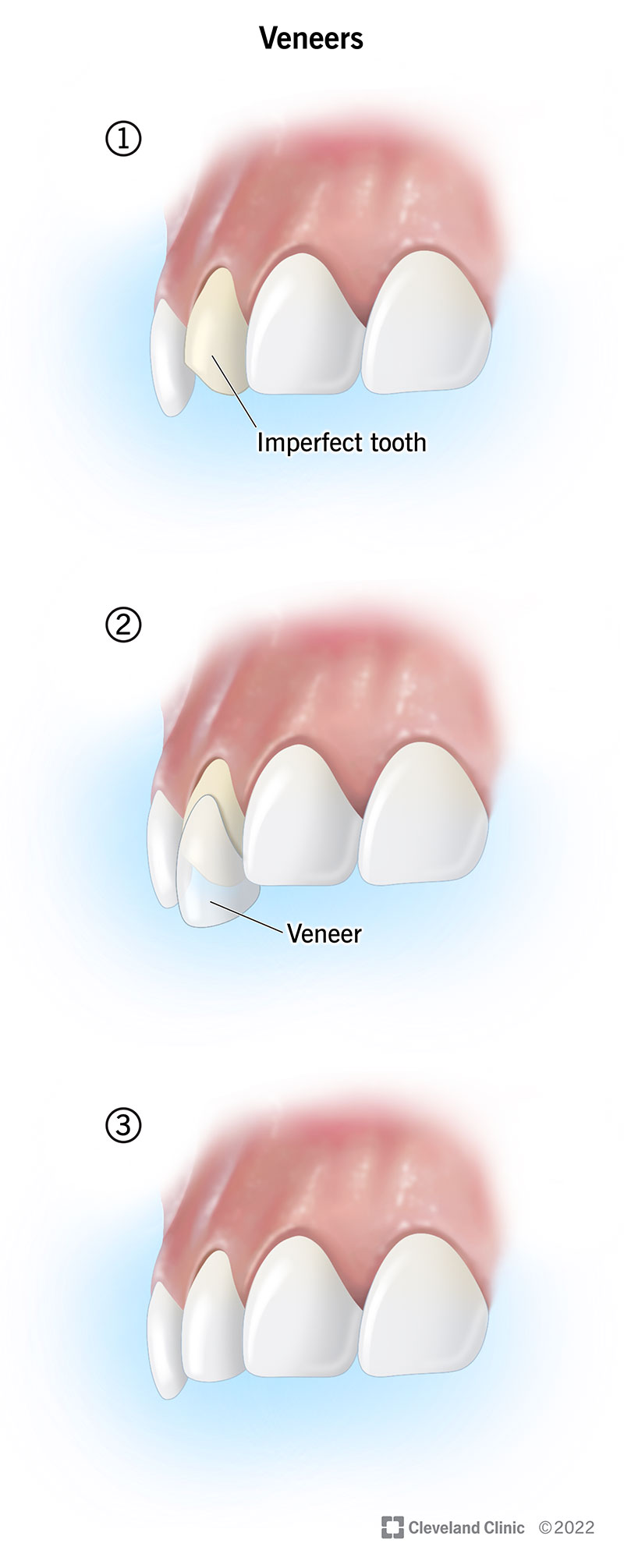
Veneers are slim coverings made from porcelain or composite material that are custom-fitted to the front surface of teeth. Porcelain Veneers. They are developed to enhance the look of the smile by addressing various dental blemishes. Normally, veneers are made use of to deal with problems such as staining, unevenness, and small voids between teeth. The application process calls for a dental expert to take precise dimensions and produce molds to ensure a perfect fit
Before putting veneers, a percentage of enamel might be eliminated from the tooth surface area to accommodate the shell, permitting a natural look. Once put, veneers can substantially improve the appearances of an individual's smile, giving a bright and consistent appearance. Clients frequently select veneers for their longevity and resistance to spots, making them a popular choice for those looking for a resilient cosmetic remedy. Generally, veneers offer a transformative technique to accomplishing a more appealing smile.
The Advantages of Picking Veneers
While many aesthetic dental alternatives exist, selecting veneers offers an unique blend of aesthetic and practical advantages. Veneers boost the appearance of teeth, providing an all-natural appearance that can substantially improve a person's smile. They are especially efficient in addressing issues such as staining, chips, and spaces, making them a flexible option for various oral concerns.
In enhancement to their visual allure, veneers are also sturdy and stain-resistant, making them a durable financial investment in dental aesthetic appeals. With appropriate treatment, they can keep their look for years. Furthermore, the application of veneers needs marginal change to the all-natural tooth framework contrasted to other choices, maintaining the honesty of the teeth.
The Veneer Application Process
The veneer application process begins with an extensive assessment, during which the dental professional assesses the individual's oral wellness and goes over visual objectives. This preliminary conference permits the dentist to analyze issues such as discoloration, chips, or spaces, and establish if veneers are a suitable option. When the individual is deemed an excellent candidate, the next action involves preparing the teeth. This may include getting rid of a percentage of enamel to assure an appropriate fit for the veneers.
Perceptions of the teeth are then taken, which are sent to a dental laboratory where the custom veneers are created. Throughout this time, a short-lived solution might be supplied. After a couple of weeks, the person returns to have the long-term veneers fitted. The dental expert checks the fit and color, making modifications as needed. The veneers are bonded to the teeth making use of a solid adhesive, finishing the makeover and boosting the patient's smile.
Kinds of Veneers: Porcelain vs. Composite
When taking into consideration cosmetic dental choices, people commonly weigh the advantages of porcelain and composite veneers. Porcelain veneers are favored for their sturdiness and resistance to staining, making them an outstanding lasting service for improving smiles. These slim coverings are custom-made to match the natural teeth, offering a natural appearance that numerous locate appealing. Additionally, porcelain mirrors light likewise to all-natural enamel, contributing to a more learn the facts here now genuine appearance.
On the other hand, composite veneers are generally less costly and can be used in a single check out. Made from a tooth-colored resin, they offer versatility in shaping and can be easily fixed if harmed. However, they may not last as long as porcelain and are extra susceptible to staining gradually. Eventually, the option between porcelain and composite veneers relies on specific aesthetic goals, budget considerations, and the certain dental scenario, directing individuals toward the most effective alternative for their needs.
Preserving Your Veneers for Longevity
Proper upkeep is vital for ensuring the durability of veneers. Routine dental exams play a considerable function, permitting specialists to evaluate the condition of the veneers and bordering teeth. Good oral health methods, such as brushing two times daily with a non-abrasive toothpaste and flossing, help protect against plaque accumulation and maintain the overall wellness of the mouth.
Furthermore, people should prevent utilizing their teeth as tools, which can jeopardize the integrity of veneers. Limiting the consumption of sticky or hard foods reduces the threat of damages. It is additionally suggested to avoid practices like nail-biting or grinding teeth, as these can bring about early wear.
Making use of a soft-bristled toothbrush and mild mouthwash can even more enhance veneer care. By complying with these easy yet efficient upkeep suggestions, individuals can enjoy their veneers' aesthetic benefits for many years ahead, ensuring a stunning smile that stands the test of time.

Possible Threats and Factors To Consider
Countless prospective risks and considerations come go with the choice to get veneers. To begin with, the treatment usually needs the removal of a slim layer of enamel from the all-natural teeth, which can cause boosted sensitivity and possible damage if not executed correctly. Furthermore, veneers are not reversible; when applied, the natural tooth structure is permanently modified.
There is additionally a threat of veneers fracturing or chipping, especially if the private participates in behaviors like teeth grinding or biting tough objects. Moreover, if the underlying tooth creates degeneration after veneer positioning, it might make complex therapy choices.
Price is another factor to consider, as veneers can be expensive and often not covered by insurance. People need to be aware of the demand for continuous maintenance and possible substitutes every 5 to 10 years, making it necessary to consider these aspects against the visual advantages veneers offer.
Frequently Asked Questions
Just How Lengthy Do Veneers Usually Last Before Requiring Replacement?
Veneers generally last between 10 to 15 years, depending upon elements such as dental hygiene, way of life routines, and the high quality of products made use of. Normal oral check-ups can aid ensure their long life and excellent problem.
Can Veneers Be Eliminated Once Applied?
Yes, veneers can be gotten rid of when used (Porcelain Veneers). This procedure frequently requires specialist assistance, as it includes careful strategies to prevent harming the underlying tooth framework, which might be impacted by the veneer placement.
Are Veneers Suitable for Everyone?
Veneers are not appropriate for every person. Individuals with significant dental problems, such as severe decay or gum condition, might call for different treatments. A comprehensive oral analysis is necessary to identify candidateship for veneer application.
Do Veneers Require Special Dental Products for Cleansing?
Veneers do not need special oral products for cleansing; nevertheless, making use of non-abrasive toothpaste and a soft-bristled toothbrush is advised. Porcelain Veneers. Routine dental check-ups and good dental health methods maintain their appearance and long life properly
What Is the Cost Range for Getting Veneers?
The cost for obtaining veneers generally ranges from $500 to $2,500 per tooth, depending on aspects such as material type, dental practitioner proficiency, and regional prices variations. Clients need to look for examinations for precise estimates customized to their requirements.
Veneers are slim coverings made from porcelain or composite material that are custom-fitted to the front surface area of teeth. Before putting veneers, a tiny amount of enamel may be eliminated from the tooth surface to fit the shell, permitting for a natural look and feel. Veneers boost the appearance of teeth, providing a natural appearance that can considerably boost a person's smile. Impacts of additional resources the teeth are after that taken, which are sent to an oral laboratory where the custom veneers are developed. Routine oral examinations play a substantial function, permitting professionals to evaluate the condition of the veneers and bordering teeth.